
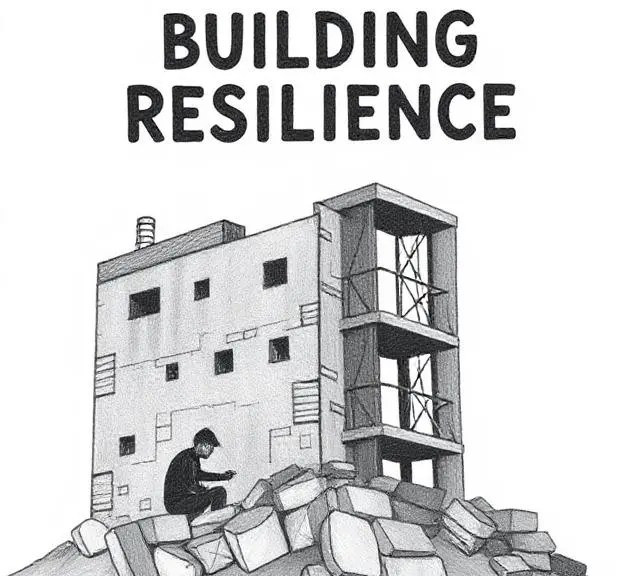
Resilience is the vital skill that allows individuals to bounce back from setbacks, adapt to difficult circumstances, and continue moving forward despite life’s inevitable challenges. Building resilience involves cultivating a mindset that views obstacles not as insurmountable barriers but as opportunities for growth and learning. It requires a conscious effort to develop emotional strength, mental flexibility, and a positive outlook that can withstand adversity. By strengthening these qualities, you can navigate life’s ups and downs with greater confidence and stability.
A core element of resilience is maintaining a hopeful attitude, even during tough times. This involves focusing on what you can control, practicing gratitude, and believing in your capacity to overcome difficulties. Supportive relationships are also crucial because they provide encouragement, advice, and emotional comfort when facing hardships. Connecting with trusted friends, family, or mentors creates a safety net that enhances your ability to cope and adapt to change. Recognizing that setbacks are part of the human experience helps foster patience and persistence, essential traits for resilience.
Developing healthy coping strategies is key to building resilience. Techniques such as mindfulness, deep breathing exercises, and regular physical activity help manage stress and keep emotions balanced during challenging times. Embracing change as a natural aspect of life encourages flexibility rather than resistance, enabling you to adjust your mindset and actions as needed. Setting realistic goals and breaking them into smaller, manageable steps can prevent feelings of overwhelm and foster a sense of progress, even amid difficulties. These practices reinforce your capacity to handle adversity with a calm and focused approach.
Furthermore, cultivating a growth mindset—the belief that abilities can be developed through effort—is fundamental for resilience. When setbacks occur, resilient individuals analyze what went wrong, learn from their experiences, and make necessary adjustments. This adaptive approach transforms failures into valuable lessons that strengthen confidence and problem-solving skills. Taking care of your physical health through proper nutrition, adequate sleep, and regular exercise also supports mental resilience by maintaining energy levels and emotional stability. Overall, resilience is an ongoing process that can be strengthened over time through intentional effort and mindset shifts, empowering you to thrive amid life’s uncertainties and turn challenges into opportunities for personal growth.
 The Agency