
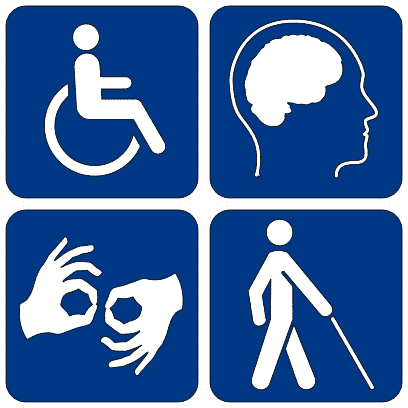
Ensuring full participation for everyone regardless of physical or mental challenges is fundamental to building an inclusive community where every individual can thrive. Disability rights are human rights, and creating an accessible environment where accommodations are standard is essential to achieving this ideal. Despite decades of progress, many barriers still prevent individuals with disabilities from fully accessing education, employment, public services, and community activities. These obstacles often stem from outdated policies, architectural barriers, digital inaccessibility, or a lack of understanding about the diverse needs of people with disabilities, making it imperative that advocates, legal professionals, and policymakers work together to push for systemic change that guarantees equal access and meaningful accommodations. The legal landscape provides a strong foundation, with the Americans with Disabilities Act (ADA) of 1990 serving as the cornerstone of disability rights law in the United States; it prohibits discrimination in employment, public accommodations, transportation, and government services, but enforcement and ongoing advocacy are necessary to close the gaps between policy and practice.
Landmark legal cases have played a crucial role in shaping the scope and enforcement of disability laws. For instance, the 2017 case of National Federation of the Blind v. Target Corporation reaffirmed that websites and online services are considered places of public accommodation under the ADA, emphasizing that digital accessibility must be prioritized to ensure full inclusion. Similarly, the Supreme Court’s decision in Olmstead v. L.C. in 1999 established that unnecessary institutionalization of individuals with disabilities constitutes discrimination and underscored the obligation to provide community-based supports and services that foster independence. Recent policy updates reflect a growing recognition of the importance of digital accessibility, with the Department of Justice clarifying in 2020 that the ADA applies to websites and online content, urging organizations to comply with WCAG 2.1 standards to make digital spaces accessible. Legislative proposals such as the ADA Education and Reform Act and the Disability Access and Inclusion Act aim to strengthen protections and improve infrastructure, but they also raise concerns about enforcement and implementation, making it vital for advocates to remain engaged and monitor legislative developments to ensure that rights are protected and expanded.
Advocacy efforts must go beyond legal protections to translate policy into tangible change in everyday environments. Educating and raising awareness among employers, educators, and service providers about their legal obligations, recent legal cases, and policy updates is vital, and resources like the Job Accommodation Network (JAN) offer free guidance on workplace accommodations. Promoting universal design principles in architecture, technology, and communication can help create inherently accessible environments that serve everyone, regardless of ability, and tools like the WebAIM WAVE Tool assist organizations in conducting digital accessibility audits to identify and address barriers. Empowering individuals with disabilities to advocate for themselves through support from organizations such as the American Association of People with Disabilities (AAPD) and the National Council on Independent Living (NCIL) is essential, as their firsthand experiences provide valuable insights into effective accommodations and highlight systemic gaps. Engaging with policymakers by participating in public comment periods for proposed legislation and reaching out to elected representatives to support bills like the Disability Access and Inclusion Act and the ADA Restoration Act can help ensure that policy advances translate into enforceable protections, and filing complaints with agencies such as the U.S. Department of Justice Civil Rights Division is a critical step in holding institutions accountable when violations occur.
Moving toward a future where accessibility and accommodations are commonplace requires persistent effort, strategic advocacy, and unwavering dedication from all sectors of society. Legal protections provide a vital foundation, but they must be actively enforced and complemented by ongoing awareness campaigns, training, and community engagement to dismantle systemic barriers that still exist. Ensuring accessibility is not simply a legal requirement; it is a moral imperative that affirms each person’s dignity and fundamental right to participate fully in all aspects of life. By leveraging resources like ADA.gov, the Job Accommodation Network, and advocacy organizations such as AAPD and NCIL, individuals and groups can push for meaningful reforms and ensure that new policies are effectively implemented. Legislative proposals like the ADA Restoration Act and the Disability Access and Inclusion Act reflect momentum, but sustained advocacy and public pressure are essential to secure their passage and successful enforcement. Creating a society where accessibility and accommodations are standard practices benefits everyone, fostering a culture of inclusion, respect, and equal opportunity that recognizes the inherent worth of every person. Through collective action, informed advocacy, and persistent effort, we can shape a future where disability rights are fully realized, and barriers to participation are a thing of the past.
 The Agency