
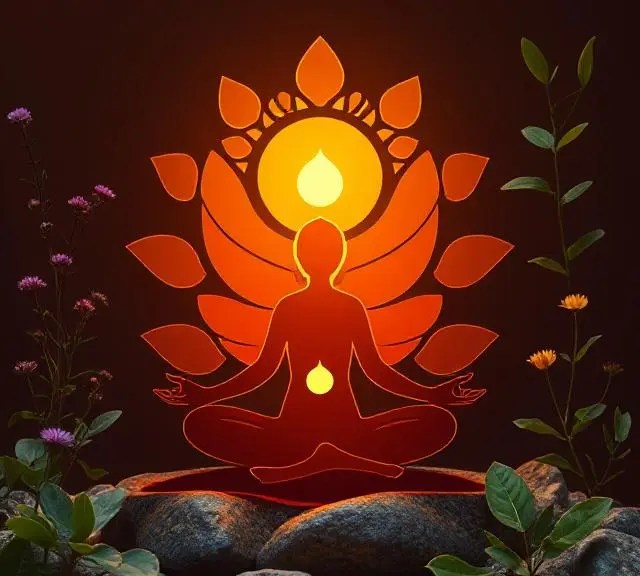
In the fast-paced and often stressful world we live in, many individuals are turning to holistic and alternative approaches to support their health and well-being. These methods emphasize treating the whole person—mind, body, and spirit—rather than merely addressing isolated symptoms. By incorporating practices such as art therapy, music therapy, yoga, and acupuncture, people can cultivate a sense of balance and harmony that nurtures emotional, mental, and physical resilience. This integrated approach offers a gentle yet effective way to enhance overall wellness and foster self-awareness.
Art therapy leverages the power of creative expression to facilitate emotional healing and self-discovery. It provides a safe, non-verbal outlet for processing complex feelings, reducing stress, and gaining insight into one’s inner world. Whether through painting, drawing, or sculpture, engaging in artistic activities encourages mindfulness and self-reflection. This modality is especially beneficial for those who find it difficult to express themselves verbally, as images and colors communicate what words often cannot. Participating in art therapy can foster a sense of accomplishment, boost self-esteem, and promote emotional catharsis, helping individuals connect with their deeper selves.
Music therapy also plays a significant role in promoting mental and emotional well-being. Using musical experiences—such as listening, singing, playing instruments, or composing—this approach can reduce anxiety, alleviate depression, and improve cognitive function. Music’s ability to evoke memories, shift moods, and foster connection makes it a powerful healing tool. Trained music therapists customize sessions to meet individual needs, aiding clients in processing emotions, managing pain, and cultivating relaxation. The universal language of music allows for deep expression and connection, supporting healing on many levels.
Yoga combines physical postures, breathwork, and meditation to promote flexibility, strength, and mental clarity. Its holistic focus addresses physical health while cultivating mindfulness and emotional balance. Practicing yoga regularly can reduce stress, improve sleep quality, and enhance overall vitality. Beyond the physical benefits, yoga encourages self-awareness and acceptance, fostering a compassionate relationship with oneself. Whether practiced in a studio, at home, or outdoors, yoga provides an accessible and versatile path to inner peace and well-being, supporting both body and mind.
Acupuncture, rooted in traditional Chinese medicine, involves inserting fine needles into specific points on the body to stimulate the flow of energy, or “qi.” This ancient practice seeks to restore harmony within the body’s systems, relieving pain, reducing inflammation, and supporting immune health. It is also widely used to manage stress, anxiety, and sleep disturbances. Many individuals find that regular acupuncture sessions help achieve a sense of calm and balance, addressing root causes rather than just symptoms. As a complementary therapy, acupuncture offers a gentle yet profound way to promote overall health and resilience.
Incorporating these holistic and alternative approaches into daily life creates a comprehensive strategy for health that complements conventional medicine. They provide natural, nurturing ways to care for the mind, body, and spirit, empowering individuals to take an active role in their healing journey. Whether through artistic expression, musical engagement, physical movement, or energetic balancing, these modalities foster self-awareness, emotional strength, and physical vitality. Embracing such practices can lead to a more balanced, joyful, and resilient life—where wellness truly becomes a harmonious whole.
 The Agency