
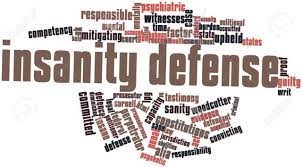
Mental illness complicates how society understands criminal responsibility because the law is built on the idea that people choose their actions freely and understand the consequences of those actions. When someone experiences severe psychiatric symptoms like delusions, hallucinations, or extreme mood instability, their perception of reality and ability to make rational decisions can be deeply distorted. In these moments, a person may act in ways they would never choose under stable conditions, not because they lack morals, but because their mind is misfiring under intense psychological pressure. The legal system struggles with this gray area, attempting to separate harmful intent from impaired judgment without minimizing the harm caused to victims. This tension creates ongoing debate about how to balance accountability with compassion in a system designed primarily for punishment rather than treatment.
Criminal responsibility hinges on whether a person understood what they were doing and whether they could appreciate that their actions were wrong at the time they occurred. Mental illness does not automatically remove responsibility, and most people living with psychiatric conditions never commit crimes, but certain severe conditions can impair insight and impulse control in critical ways. Courts sometimes consider whether a defendant had the mental capacity to form intent, especially when symptoms like psychosis, dissociation, or mania are present. These legal standards exist to prevent people from being punished for actions they could not fully comprehend or control, yet the bar is intentionally set high to avoid misuse. As a result, many people with serious mental illness are still held criminally responsible, even when their symptoms clearly played a role in their behavior.
The consequences of this legal framework are visible in jails and prisons, which have quietly become some of the largest mental health institutions in the country. Many incarcerated people live with untreated or under-treated mental health conditions that contributed to the behaviors that led to their arrest in the first place. Instead of receiving care early, people often cycle through arrests, short hospital stays, and incarceration, creating a revolving door between the criminal legal system and the mental health system. This pattern doesn’t reduce harm or improve public safety in the long run, because untreated mental illness tends to worsen under stress, isolation, and lack of consistent care. When treatment is delayed until after criminal involvement, the system ends up reacting to crises instead of preventing them.
There is growing recognition that treatment-based alternatives can protect public safety while honoring the reality of mental illness. Diversion programs, mental health courts, and crisis intervention approaches aim to redirect people toward care rather than defaulting to punishment when symptoms are a major factor in the offense. These approaches recognize that accountability and treatment are not opposites, but parts of the same solution, especially when the goal is to reduce repeat offenses and long-term harm. When people receive stable treatment, housing support, and follow-up care, they are far less likely to re-enter the system through new arrests. The challenge is that these programs are unevenly available, underfunded, and often misunderstood by the public.
Ultimately, how mental illness affects criminal responsibility forces society to confront uncomfortable questions about blame, fairness, and what justice is actually meant to accomplish. Justice cannot only be about punishment if punishment does nothing to address the underlying conditions that contributed to harmful behavior. At the same time, victims deserve acknowledgment and protection, and mental illness should never be used to dismiss the harm someone causes. A more humane system recognizes that responsibility exists on a spectrum shaped by mental state, access to care, and social support. When the law evolves to reflect these realities, it creates space for accountability that heals rather than deepens cycles of harm.
 The Agency