All posts by @theagency

Legal Protections Against False Accusations and Legal Manipulation

The law addresses situations where individuals conspire to defame or lie about someone with the intent of causing legal or personal harm. This type of behavior can lead to several serious legal violations, both criminal and civil. Understanding the various legal avenues involved can help anyone facing such a situation determine their rights and potential courses of action.

Criminal Conspiracy and Defamation

Criminal conspiracy in California is defined under Penal Code § 182. This statute makes it a crime for two or more individuals to agree to commit an illegal act. If even one of them performs an overt act to further the conspiracy, they may be charged with conspiracy. In the case of defamation or making false statements to get someone into trouble, if a group of people agrees to spread lies, fabricate evidence, or manipulate others with malicious intent, they could face conspiracy charges. The severity of the penalties for conspiracy would depend on the underlying crime they planned to commit.

While defamation itself is primarily a civil issue, it can take on criminal elements in certain situations. Defamation involves making false statements about someone that harms their reputation, and in California, this is typically handled in civil court through a lawsuit for damages. Although, there are circumstances in which defamatory actions can lead to criminal charges. For instance, if someone spreads lies about another person in a way that interferes with legal proceedings or involves fraud, they may be charged under Penal Code § 528. This section makes it illegal to make false statements with the intent to deceive or harm others, particularly in contexts like impersonation or fabricating evidence. If a defamatory conspiracy leads to harm or even death, the legal consequences can be severe, encompassing both criminal charges and civil liabilities. Once again, defamation itself is generally a civil issue, where a person makes false statements that harm another’s reputation. However, if these defamatory actions escalate into more serious consequences, such as physical harm or death whether through an assault or the victim’s emotional distress, the perpetrators can face significant criminal charges.

False Accusations and Legal Manipulation

Another serious legal issue related to conspiracy and defamation is the act of intentionally framing someone for a crime. In California, if someone fabricates evidence or gives false testimony under oath to cause harm or manipulate the legal system, they can face significant charges. Perjury, under Penal Code § 118, is a felony offense that occurs when a person knowingly lies under oath in a legal proceeding, such as during testimony or in a sworn statement. This is especially relevant in cases where someone has intentionally provided false testimony or fabricated evidence to falsely accuse another person.

Similarly, fabricating evidence to mislead authorities is a crime under Penal Code §§ 132 and 134. These statutes prohibit individuals from creating, altering, or suppressing evidence with the intent to deceive the court or law enforcement. If the conspirators are actively manipulating legal processes by spreading false information or creating fraudulent documents to harm someone’s case, they may be charged with these felonies.

Harassment, Stalking, and Obstructing Justice

If the actions of those involved in a defamation conspiracy extend beyond mere lies and escalate into harassment or threats, California’s laws on stalking and harassment may come into play. Stalking is defined under Penal Code § 646.9 and occurs when someone repeatedly engages in behavior that causes another person to fear for their safety. This could include ongoing false accusations or threats that create a sense of fear or intimidation. Depending on the nature of the stalking, it could be charged as either a misdemeanor or a felony.

Additionally, under Penal Code § 653m, criminal harassment is defined as making repeated, unwanted communications with the intent to cause distress. This could include repeatedly spreading false rumors, threatening phone calls, or other forms of communication designed to harass or cause harm. If the defamatory actions are part of a pattern of ongoing harassment, the perpetrators may face criminal charges under this statute.

Emotional Distress and Civil Claims

While defamation and conspiracy are primarily addressed under criminal law in cases where false statements lead to harm or legal trouble, victims may also pursue civil remedies. One such claim is for intentional infliction of emotional distress. If the lies and conspiracies cause significant emotional harm to the victim, they may be able to file a lawsuit seeking damages for the distress and harm suffered. This is especially true if the conduct of the individuals involved in the conspiracy was outrageous, malicious, or intended to cause emotional suffering.

Conclusion

The law offers several avenues to address situations where individuals conspire to defame or lie about someone with the intent to cause harm. Criminal charges such as conspiracy (Penal Code § 182), false reporting (Penal Code § 148.5), and perjury (Penal Code § 118) may arise if the conspiracy involves illegal acts like framing someone for a crime or manipulating legal processes. Furthermore, if the defamatory actions involve ongoing harassment or stalking, additional charges under Penal Code §§ 646.9 and 653m may apply. Victims of such conspiracies also have the option of seeking civil remedies, including suing for defamation and emotional distress. The law is designed to protect individuals from malicious harm and to provide avenues for both criminal and civil recourse.


Justice for All

In a just society, the principles of fairness, equality, and the rule of law are the cornerstones that uphold the integrity of the criminal justice system. Central to these principles are the rights to a fair trial and due process, which serve as vital safeguards against wrongful convictions, arbitrary detention, and abuse of power. Yet, despite constitutional protections and international commitments, systemic issues persist that threaten to undermine these fundamental rights. From mass incarceration and racial disparities to prosecutorial misconduct and inadequate legal representation, the current landscape calls for urgent and comprehensive criminal justice reform aimed at restoring and strengthening fair trial rights for all individuals. Advocates play a crucial role in highlighting these issues, pushing for policy changes, and holding institutions accountable to ensure that justice is not just a ideal on paper but a reality experienced by every person within the system.

Promoting fair trial rights involves protecting key constitutional protections such as the right to counsel, the presumption of innocence, the right to confront witnesses, and the right to a public and speedy trial. These rights are enshrined in the Sixth Amendment and reinforced through case law, including landmark decisions like Gideon v. Wainwright, which established the right to legal counsel for indigent defendants. Despite these protections, millions of defendants lack adequate legal representation due to underfunded public defender systems, leading to wrongful convictions and unfair trials. Advocates emphasize the need for increased funding, training, and independence of public defenders, as well as reforms to eliminate bail systems that disproportionately impact marginalized communities and perpetuate economic disparities. Furthermore, ensuring that defendants have access to evidence, witnesses, and fair procedures is essential to uphold the integrity of the legal process and prevent miscarriages of justice. Recent reform efforts include eliminating mandatory minimums that limit judicial discretion, implementing oversight mechanisms for prosecutors, and expanding alternatives to incarceration such as drug courts and restorative justice programs. These reforms aim to reduce mass incarceration, promote rehabilitation, and ensure that punishments are fair, individualized, and proportionate to the offense.

At the heart of criminal justice reform is the need to restore public trust and ensure that the justice system operates transparently and equitably. This involves advocating for policies that guarantee the right to a fair trial, protect defendants from wrongful convictions, and address systemic biases. Legal advocates are working tirelessly to push for legislation that enhances discovery rights, limits prosecutorial overreach, and improves transparency in plea bargaining processes. They also promote the use of technology, such as video recording of interrogations and court proceedings, to increase accountability. Moreover, community-based programs and policies that emphasize diversion, rehabilitation, and reintegration are crucial to creating a more humane and effective justice system. Promoting fair trial rights and due process is not only a legal imperative but a moral obligation to uphold human dignity and ensure that justice is accessible, fair, and impartial for everyone, regardless of their background or socioeconomic status.

Safeguarding fair trial rights and due process is essential to building a criminal justice system rooted in justice, equality, and respect for human rights. Criminal justice reform must be comprehensive, addressing systemic inequalities, prosecutorial practices, and the structural barriers that deny many individuals their constitutional rights. Advocates, policymakers, and communities must work together to implement reforms that prioritize fairness, accountability, and transparency, ensuring that the promise of justice is realized for all. Only through persistent effort, legal innovation, and a commitment to human dignity can we transform our justice system into one that truly serves the principles of fairness and equality at its core. The pursuit of criminal justice reform is a moral imperative—an essential step toward a more just and equitable society.

The Invisible Impact of Mental Abuse

Mental abuse rarely announces itself in obvious ways, and many people live inside it long before they realize what they’re experiencing has a name. It doesn’t leave bruises or visible marks, and it often unfolds quietly through words, tone, silence, and subtle manipulation until you begin questioning your own reality. Because there is no physical evidence, it can be difficult to explain or even to trust yourself about what’s happening. Over time, that uncertainty can make you feel isolated, confused, and disconnected from your own instincts.

Mental or emotional abuse isn’t always yelling or overt cruelty; more often, it hides behind sarcasm, “jokes,” or concern that feels more like control. It can show up as constant criticism framed as help, affection or communication being withheld as punishment, or guilt being used to make you feel wrong for having needs or boundaries. Gaslighting may be part of this dynamic, including being told you’re too sensitive, too dramatic, or remembering things wrong, but it is only one of many tactics used to maintain control. Together, these behaviors slowly erode confidence and create an environment where self-doubt becomes normal.

The damage caused by mental abuse is quiet but deep. The words and attitudes you are exposed to can slowly become your inner voice, replaying long after the situation has ended. You may find yourself over-explaining, apologizing automatically, walking on eggshells, or feeling anxious before you speak. Trusting your own judgment becomes difficult, and you start believing you are either too much or never enough. Because the harm isn’t visible, you might minimize it, telling yourself it wasn’t “that bad,” even though its impact shows up in how you think and feel.

Leaving or breaking free from mental abuse is rarely simple. It is often mixed with moments of affection, apologies, and connection that create hope and make you question whether things will change. You may stay because you remember who the person can be, or because you believe that if you explain yourself better or love harder, the situation will improve. But mental abuse is not a communication problem; it is a power problem rooted in control. Healing involves slowly reclaiming your sense of self, learning to trust your feelings again, and unlearning the belief that love requires suffering.

If any of this feels familiar, it’s important to know that what you experienced was real and that your reactions make sense. You are not broken or weak for needing time to heal from something that quietly reshaped how you see yourself. Naming mental abuse, even privately, breaks the silence it depends on and is a meaningful step toward recovery. If you’re able, reaching out to a therapist, counselor, or trusted support person can help you rebuild what was worn down over time.

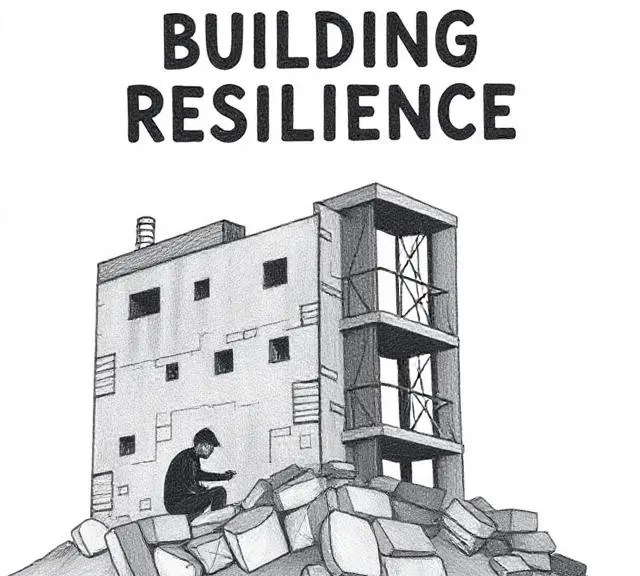
Building Resilience

Resilience is the vital skill that allows individuals to bounce back from setbacks, adapt to difficult circumstances, and continue moving forward despite life’s inevitable challenges. Building resilience involves cultivating a mindset that views obstacles not as insurmountable barriers but as opportunities for growth and learning. It requires a conscious effort to develop emotional strength, mental flexibility, and a positive outlook that can withstand adversity. By strengthening these qualities, you can navigate life’s ups and downs with greater confidence and stability.

A core element of resilience is maintaining a hopeful attitude, even during tough times. This involves focusing on what you can control, practicing gratitude, and believing in your capacity to overcome difficulties. Supportive relationships are also crucial because they provide encouragement, advice, and emotional comfort when facing hardships. Connecting with trusted friends, family, or mentors creates a safety net that enhances your ability to cope and adapt to change. Recognizing that setbacks are part of the human experience helps foster patience and persistence, essential traits for resilience.

Developing healthy coping strategies is key to building resilience. Techniques such as mindfulness, deep breathing exercises, and regular physical activity help manage stress and keep emotions balanced during challenging times. Embracing change as a natural aspect of life encourages flexibility rather than resistance, enabling you to adjust your mindset and actions as needed. Setting realistic goals and breaking them into smaller, manageable steps can prevent feelings of overwhelm and foster a sense of progress, even amid difficulties. These practices reinforce your capacity to handle adversity with a calm and focused approach.

Furthermore, cultivating a growth mindset—the belief that abilities can be developed through effort—is fundamental for resilience. When setbacks occur, resilient individuals analyze what went wrong, learn from their experiences, and make necessary adjustments. This adaptive approach transforms failures into valuable lessons that strengthen confidence and problem-solving skills. Taking care of your physical health through proper nutrition, adequate sleep, and regular exercise also supports mental resilience by maintaining energy levels and emotional stability. Overall, resilience is an ongoing process that can be strengthened over time through intentional effort and mindset shifts, empowering you to thrive amid life’s uncertainties and turn challenges into opportunities for personal growth.

Law and Society: Shaping Communities

This blog explores the vital role that legal systems play in maintaining societal stability and reinforcing the moral foundations that have long supported our communities. Law and society are closely linked, with legal principles serving as the backbone for social stability and cohesion. Laws establish clear boundaries that help prevent chaos, ensuring that individuals and organizations can coexist peacefully. These regulations reflect enduring moral standards and values that have shaped communities over generations, providing a foundation for communal order. Upholding traditional institutions such as family, property rights, and religious practices is vital for maintaining shared harmony. Laws that defend these core elements promote stability and reinforce the moral fabric that holds people together. They act as guardians of the social contract, rooted in time-honored principles that have proven effective in preserving order and community integrity.

In addition to shaping social norms, law actively influences cultural attitudes and behaviors by embedding societal ideals into formal legal codes. When laws recognize and protect certain rights like those related to education, healthcare access, or environmental conservation, they send powerful signals about what we value most. Over time, these legal recognitions can lead to widespread cultural acceptance and normalization of previously marginalized identities or practices. For instance, laws mandating equal access to education for children with disabilities have helped shift public perceptions, fostering greater inclusion and understanding. Laws thus serve as catalysts for public transformation by aligning legal frameworks with evolving cultural standards and moral beliefs, guiding progress in a deliberate and structured manner.

Addressing community issues remains one of the most vital functions of the legal system. Laws serve as tools to combat disparity, protect vulnerable populations, and promote social justice. They do so by creating legal protections against discrimination for things such as race, gender, socioeconomic status, disability, age, or religious beliefs, and by establishing safety nets like welfare and healthcare programs. Environmental laws protect natural resources and public health, demonstrating how legal regulation can address complex, systemic problems that affect entire communities. Moreover, legal reforms driven by activism and civic movements often lead to significant changes, such as the abolition of child labor or the implementation of workplace safety standards, which have reshaped collective structures and opportunities. However, the effectiveness of laws in solving municipal issues depends heavily on their enforcement, societal buy-in, and ongoing reform efforts to close gaps between law and social realities.

While critics sometimes argue that laws should adapt quickly to group shifts, it is crucial to recognize the value of stability rooted in tradition. Laws that have stood the test of time provide the certainty needed for individuals and communities to thrive, establishing a foundation of moral and social order. Yet, legal systems are not immune to criticism, as they can sometimes reflect and reinforce existing power structures rather than challenge them, with legislation occasionally perpetuating inequality or marginalizing certain groups. For example, laws that criminalize drug possession have disproportionately targeted minority communities, illustrating how legislation can serve as a tool of systemic bias. Repeatedly altering fundamental principles without regard for their historical significance can weaken society’s moral foundation, and excessive permissiveness or neglect of core values can lead to disorder and decline. Therefore, legal reforms should be deliberate and guided by prudence, ensuring that changes reinforce societal strength rather than undermine it. The role of legislation is to serve as a steady influence, guiding social progress without sacrificing the principles that foster suppleness and order, while also requiring ongoing vigilance to ensure that laws promote fairness and justice for all members of the population.

Overall, the relationship between law and society must be grounded in respect for moral clarity and stability. Legal systems should aim to preserve vital institutions and uphold values that promote community well-being. When addressing civic challenges, reforms ought to be cautious, emphasizing the importance of moral responsibility. Laws should act as pillars of solidity, guiding general development while preserving the principles that have sustained civilizations over centuries. Recognizing the importance of enduring moral standards ensures that the population remains strong, unified, and capable of weathering challenges with power and confidence.

Emotional Intelligence

Emotional intelligence is a vital skill that influences how we navigate our internal world and interact with others. It involves the ability to recognize, understand, and manage our own emotions while also being attuned to the emotions of those around us. Developing emotional intelligence can lead to healthier relationships, better decision-making, and increased resilience in the face of life’s challenges. In essence, it is about cultivating self-awareness and empathy, which are essential components for personal growth and social harmony. By enhancing our emotional intelligence, we can foster a more balanced and compassionate approach to both ourselves and others, creating stronger connections and a more fulfilling life.

Recognizing emotions is the first step in building emotional intelligence. This requires paying close attention to our feelings and body signals, such as noticing when we feel anxious, angry, or happy. Becoming aware of these emotions allows us to identify their triggers and understand their impact on our thoughts and behaviors. For example, recognizing that stress at work makes us irritable can help us pause and choose a more constructive response instead of reacting impulsively. Understanding emotions involves delving deeper into their causes and effects, which helps us interpret our feelings accurately and respond appropriately. This awareness creates a foundation for emotional regulation, enabling us to handle difficult situations with more clarity and calmness.

Managing emotions effectively is a key aspect of emotional intelligence that involves regulating our feelings and reactions. This doesn’t mean suppressing emotions but rather responding to them in a healthy and constructive manner. Techniques such as deep breathing, mindfulness, or reframing negative thoughts can help us regain control during intense moments. Managing emotions also extends to understanding others’ feelings, which fosters empathy and improves communication. When we can see situations from another person’s perspective, we create space for compassion and stronger connections. Developing these skills takes practice, but they ultimately empower us to navigate social interactions with greater sensitivity, patience, and understanding.

Emotional intelligence is a lifelong journey that enhances both personal and professional relationships. It helps us build trust, resolve conflicts peacefully, and respond to challenges with resilience. By continuously working on recognizing, understanding, and managing our emotions, we become more adaptable and emotionally resilient. This growth not only benefits our mental health but also enriches our interactions, making us more empathetic and effective communicators. Cultivating emotional intelligence is a powerful way to foster a more compassionate and balanced life, enabling us to face the complexities of human emotions with confidence and grace. Ultimately, mastering this skill leads to a richer, more harmonious existence where our emotions serve as tools for growth rather than obstacles.

Defamation in the Digital and Social Media Era

In a democratic society, the free flow of information and robust public discourse are fundamental pillars that uphold accountability, transparency, and the very fabric of democracy itself. Media outlets, journalists, bloggers, and everyday citizens rely on the principles of free expression to challenge power, uncover truth, and foster an informed citizenry. However, the right to free expression is not absolute and is often balanced against other rights and interests, such as protecting individual reputation from false and damaging statements. Defamation and libel laws exist to strike this balance, aiming to protect individuals and organizations from false statements that could harm their reputation, while also safeguarding the essential right to speak freely and criticize public figures, institutions, and policies without fear of unjust retribution or censorship.

Defamation laws, which encompass both libel (written defamation) and slander (spoken defamation), have a long history rooted in common law, evolving over time to address the complexities of modern media. These laws generally require the plaintiff to prove that the statement was false, damaging to their reputation, made with a certain degree of fault, and not protected by any legal privilege or defense like truth or fair comment. The landmark case of New York Times Co. v. Sullivan (1964) significantly shaped the landscape by establishing that public officials and figures must prove actual malice—meaning the statement was made with knowledge of its falsity or reckless disregard for the truth—to succeed in a defamation claim. This standard was designed to protect open debate and criticism of public figures, reinforcing the importance of free expression in a democratic society.

Despite these protections, defamation and libel laws are often exploited to silence dissent or suppress critical journalism, raising concerns about their potential to infringe upon free speech rights. Recent legal debates focus on how to balance the protection of reputation with the need to maintain an open, free press. Courts have increasingly recognized the importance of context, especially in cases involving matters of public concern. For example, in cases involving political speech or investigative journalism, courts tend to adopt a more cautious approach to liability, emphasizing the need for proof of malicious intent or reckless disregard, particularly when the speech pertains to matters of public interest. At the same time, some jurisdictions have expanded protections for opinion and satire, recognizing that the line between protected speech and defamation must be carefully maintained to avoid censorship.

As advocates for free expression, it is crucial to understand the evolving legal landscape surrounding defamation and libel laws. While these laws serve an important purpose, they must be applied in a way that does not chill speech or stifle legitimate criticism. Legal reforms and judicial interpretations increasingly emphasize the importance of protecting journalists and citizens alike from baseless lawsuits that threaten their right to speak out. Organizations such as the Reporters Committee for Freedom of the Press and the Electronic Frontier Foundation provide valuable resources and legal support to defend journalists and activists facing defamation claims. Moreover, legal advocacy efforts often focus on clarifying the scope of protected speech, advocating for higher standards of proof for public figures, and resisting laws that could be used to censor critical voices under the guise of protecting reputation.

In today’s digital age, the proliferation of social media platforms and online content has further complicated the issues surrounding defamation and free expression. The speed and reach of online speech mean that false statements can spread rapidly, causing significant harm before legal remedies can be pursued. Courts are increasingly grappling with questions about how traditional defamation laws apply to the internet and whether platform providers should be held liable for user-generated content. Recent legislative proposals aim to strike a better balance by promoting transparency, accountability, and responsible speech without undermining the core principles of free expression. For instance, laws that encourage the removal of defamatory content while preserving protections for user speech are gaining traction, but advocates remain vigilant to ensure these laws do not give too much power to censorship or content suppression.

Advocating for the rights of the media and individuals to speak freely requires ongoing vigilance, thoughtful legal reform, and a firm commitment to the principles enshrined in the First Amendment. It involves defending the critical importance of a free press, supporting journalists in the face of legal threats, and resisting efforts to impose overly broad or vague defamation laws that could chill legitimate criticism. Legal advocates must also work to educate the public about the importance of free expression and the limits of defamation laws, emphasizing that while protecting reputation is essential, it should never come at the expense of open debate and accountability. Safeguarding free expression in an era of rapid digital communication demands a nuanced approach—one that respects individual rights, upholds the essential role of the press, and preserves the open exchange of ideas that underpins a healthy democracy.

Through strategic legal advocacy, ongoing public education, and vigilant judicial interpretation, we can ensure that defamation and libel laws serve their rightful purpose without undermining the fundamental right to free expression. In defending the press and the right of individuals to speak truth to power, we bolster the core values that sustain democracy itself—truth, accountability, and the unfettered exchange of ideas. As we navigate the evolving landscape of media law, our collective commitment must be to protect these rights while responsibly addressing the harms caused by false and malicious speech, ensuring that free expression remains a cornerstone of a free society.

Regulation of Online Platforms

We live in an era where social media, streaming services, and digital marketplaces have become central to daily life, the regulation of online platforms is one of the most pressing and complex issues facing lawmakers, technologists, and civil society today. These platforms shape public discourse, influence cultural norms, and wield significant economic power, yet often operate in a legal landscape that struggles to keep pace with their rapid growth. The challenge lies in balancing innovation and free expression with accountability, privacy, and fair competition. Existing laws, such as Section 230 of the Communications Decency Act, have historically provided platforms with broad immunity from liability for user-generated content, fostering a vibrant free speech environment but also creating loopholes exploited to spread misinformation, hate speech, and harmful content. Recent legislative proposals aim to reform this framework to better address these issues, including the American Innovation and Choice Online Act and the Online Content Moderation and Transparency Act, which seek to impose stricter transparency requirements and limit immunity for large platforms that fail to adequately moderate harmful content

One of the most notable recent cases that highlights the ongoing legal debate surrounding platform responsibility is the 2021 lawsuit against Facebook (now Meta) filed by the Federal Trade Commission (FTC) and multiple states, alleging that the company used its market dominance to crush competition and failed to adequately protect user privacy and safety. This case underscores growing concerns about monopolistic practices and the need for antitrust enforcement in the digital age, exemplifying efforts to rein in the power of major online platforms. Similarly, the European Union’s Digital Services Act (DSA) and Digital Markets Act (DMA), enacted in 2022, establish comprehensive rules requiring transparency in content moderation, banning targeted advertising to children, and imposing stricter oversight on “gatekeeper” platforms that dominate digital markets. These laws aim to promote fair competition and protect fundamental rights, serving as models for potential reforms in other jurisdictions. In the United States, ongoing debates about reforming Section 230 involve proposals such as the EARN IT Act and the SAFE TECH Act, which seek to limit immunity for platforms hosting illegal content while emphasizing the importance of protecting free expression.

Regulation presents unique challenges because of these online platforms global reach, technological complexity, and the delicate balance between safeguarding free speech and preventing harm. While some advocates argue for robust regulation to hold platforms accountable for misinformation, hate speech, and privacy violations, others warn against overly restrictive laws that could stifle innovation or lead to censorship. The key is crafting clear, adaptable, and enforceable policies that impose accountability without undermining fundamental rights. Transparency measures—such as requiring platforms to disclose their content moderation policies, algorithms, and data practices—are essential tools that foster trust and accountability. For example, Facebook’s disclosures about its content moderation processes and the transparency reports it publishes have been critical in holding the platform accountable and informing public debate. Additionally, targeted regulations tackling misinformation, hate speech, and privacy violations are necessary to protect users from harm while respecting rights to free expression.

Legal advocates play a vital role in shaping policies that strike this delicate balance. Groups like the Electronic Frontier Foundation (EFF) and the Center for Democracy and Technology (CDT) actively engage in legislative advocacy, providing expert testimony and pushing for laws that enhance transparency, safeguard privacy, and prevent abuse. For instance, recent efforts include advocating for the passage of the American Data Privacy and Protection Act, which aims to establish comprehensive federal privacy protections and give users more control over their data. They also promote reforms to Section 230 that maintain free expression protections while ensuring platforms are responsible for removing illegal and harmful content. Empowering users through clear information about how platforms operate and how their data is used is equally important, fostering a more informed digital citizenry. Moving forward, the future of platform regulation depends on a collaborative approach—bringing together lawmakers, civil society, technologists, and users to craft balanced solutions that uphold democratic values and protect fundamental rights.

Regulating online platforms is one of the defining challenges of our digital age. Effective laws must be flexible enough to adapt to technological innovation yet robust enough to enforce accountability, protect privacy, and promote fair competition. The ongoing legal landscape, exemplified by landmark cases like the Facebook antitrust lawsuit and comprehensive laws such as the EU’s DSA and DMA, demonstrates the critical importance of proactive regulation. Advocacy efforts, legislative reforms, and judicial decisions must work in concert to ensure these platforms serve the public interest—promoting free expression, safeguarding privacy, and preventing abuse—while respecting the rights of individuals and fostering innovation. Only through sustained efforts can we build a digital environment that is safe, open, and accountable, ensuring that the benefits of the online world are accessible to all without compromising the core values of democracy.

Mindfulness and Meditation

In a world filled with constant distractions and relentless demands, cultivating mindfulness and meditation has become an essential practice for nurturing mental clarity and emotional resilience. These techniques help individuals develop a deeper awareness of their thoughts, feelings, and bodily sensations, fostering a sense of presence that can significantly improve overall well-being. By practicing mindfulness and meditation regularly, people can better manage stress, reduce anxiety, and enhance their ability to respond thoughtfully to life’s challenges.

Mindfulness involves paying deliberate attention to the present moment without judgment. It encourages individuals to observe their thoughts, emotions, and physical sensations with openness and curiosity. This heightened awareness allows people to recognize patterns of negative thinking or emotional reactivity before they escalate, creating an opportunity to respond more calmly and consciously. Meditation, on the other hand, often serves as a structured way to cultivate mindfulness. Techniques such as focused breathing, body scans, or guided imagery help anchor attention and cultivate a state of calmness and clarity. Regular practice can strengthen neural pathways associated with attention and emotional regulation, leading to a more balanced mental state.

One of the simplest mindfulness techniques is mindful breathing. Sitting quietly and focusing on the sensation of each breath—feeling the air enter and leave the body—can ground you in the present moment. When the mind wanders, gently redirect your attention back to your breath without judgment. Body scan meditation involves systematically paying attention to different parts of the body, noticing tension or sensations, and allowing relaxation to unfold naturally. Guided meditations, often available through apps or recordings, lead individuals through visualizations or breathing exercises designed to promote relaxation and mental clarity. Incorporating these practices into daily routines—such as during mornings, breaks, or before sleep—can cultivate a sense of stability amid life’s chaos.

Beyond reducing stress and anxiety, mindfulness and meditation enhance emotional regulation by increasing awareness of emotional triggers and responses. This awareness provides a buffer, allowing individuals to pause and choose how to react rather than being driven by impulsive feelings. Over time, these practices foster a compassionate attitude toward oneself and others, promoting patience, empathy, and resilience. They also support mental clarity, improve focus, and boost overall mood, making everyday challenges more manageable.

The beauty of mindfulness and meditation lies in their accessibility; no special equipment or extensive time commitments are necessary. Even a few minutes each day can yield noticeable benefits, making these practices practical for anyone seeking greater balance and inner peace. As with any skill, consistency is key—regular practice deepens awareness and enhances the ability to stay present and centered. Ultimately, cultivating mindfulness and meditation empowers individuals to navigate life with greater ease, emotional stability, and a profound sense of connection to the here and now.

Effective Stress Management Strategies

In today’s fast-paced world, stress has become an almost inevitable part of life. From demanding careers and personal responsibilities to unforeseen crises, stress can accumulate quickly, leading to burnout, anxiety, and even physical health issues. However, understanding how to effectively manage stress is essential for maintaining mental clarity, emotional stability, and overall well-being. By adopting proven techniques and strategies, you can transform stress from an overwhelming foe into a manageable challenge, empowering yourself to lead a balanced and fulfilled life.

Before diving into management techniques, it’s important to recognize what stress entails. Stress is a natural response to perceived threats or demands—your body’s way of preparing to face a challenge. While short-term stress can be motivating, chronic stress can have detrimental effects, including fatigue, irritability, difficulty concentrating, weakened immune system, and increased risk of heart disease. Recognizing these signs early allows you to implement strategies before stress takes a toll on your health.

Practicing mindfulness and meditation can be powerful tools in calming the mind. Paying deliberate attention to the present moment without judgment helps reduce anxiety and promotes relaxation. Even just five minutes a day of deep breathing exercises, guided imagery, or body scans can make a noticeable difference in your mood and mental clarity. Physical activity is another highly effective stress reducer. Exercise releases endorphins—your body’s natural mood lifters—and helps clear your mind. Whether it’s a brisk walk, yoga, dancing, or strength training, incorporating movement into your daily routine can significantly decrease anxiety and improve sleep quality, creating a positive cycle of physical and mental health.

Effective time management and prioritization are crucial in alleviating feelings of being overwhelmed. Setting realistic goals, breaking tasks into smaller, manageable steps, and focusing on the most important responsibilities help foster a sense of control and reduce stress. Using planners, to-do lists, or digital apps can keep you organized and focused. Additionally, adopting healthy lifestyle choices—such as nourishing your body with balanced meals, ensuring you get enough sleep, and maintaining social connections—further supports your resilience. Connecting with friends, family, or support groups provides emotional support and helps combat feelings of isolation, which can intensify stress.

Relaxation techniques like progressive muscle relaxation, aromatherapy, or listening to calming music can physically ease tension and promote mental calmness. Engaging in hobbies, reading, or creative pursuits allows you to shift your focus away from stressors and reconnect with what brings you joy. Challenging negative thought patterns through cognitive restructuring helps reduce anxiety. Recognizing distorted beliefs and replacing them with more balanced perspectives can foster a more optimistic outlook and diminish feelings of helplessness.

Preventing burnout and anxiety involves setting boundaries—learning to say no and delegate when necessary—protecting your personal time and avoiding overcommitment. Practicing self-compassion by being kind to yourself, acknowledging your limits, and celebrating small victories reinforces resilience. Scheduling regular breaks during work or stressful activities helps reset your mental state, preventing exhaustion. If stress becomes overwhelming or leads to depression or anxiety, seeking support from a mental health professional can provide tailored strategies and guidance.

Building a resilient mindset involves cultivating emotional agility through mindfulness, maintaining healthy habits, and fostering supportive relationships. Developing these qualities creates a foundation that enables you to face life’s challenges with confidence. Remember, setbacks are part of the journey; the key is responding with patience and persistence. Managing stress isn’t a one-time effort but a continuous process of growth and adaptation. By integrating practical techniques and adopting a proactive approach, you can navigate stress with grace and strength. Empower yourself with these tools, and turn stress management into an opportunity for personal growth, balance, and renewed vitality. After all, mastering stress is not about eliminating every challenge but about equipping yourself to handle them effectively.