
Category Archives: Health & Lifestyle

The Invisible Impact of Mental Abuse

Mental abuse rarely announces itself in obvious ways, and many people live inside it long before they realize what they’re experiencing has a name. It doesn’t leave bruises or visible marks, and it often unfolds quietly through words, tone, silence, and subtle manipulation until you begin questioning your own reality. Because there is no physical evidence, it can be difficult to explain or even to trust yourself about what’s happening. Over time, that uncertainty can make you feel isolated, confused, and disconnected from your own instincts.

Mental or emotional abuse isn’t always yelling or overt cruelty; more often, it hides behind sarcasm, “jokes,” or concern that feels more like control. It can show up as constant criticism framed as help, affection or communication being withheld as punishment, or guilt being used to make you feel wrong for having needs or boundaries. Gaslighting may be part of this dynamic, including being told you’re too sensitive, too dramatic, or remembering things wrong, but it is only one of many tactics used to maintain control. Together, these behaviors slowly erode confidence and create an environment where self-doubt becomes normal.

The damage caused by mental abuse is quiet but deep. The words and attitudes you are exposed to can slowly become your inner voice, replaying long after the situation has ended. You may find yourself over-explaining, apologizing automatically, walking on eggshells, or feeling anxious before you speak. Trusting your own judgment becomes difficult, and you start believing you are either too much or never enough. Because the harm isn’t visible, you might minimize it, telling yourself it wasn’t “that bad,” even though its impact shows up in how you think and feel.

Leaving or breaking free from mental abuse is rarely simple. It is often mixed with moments of affection, apologies, and connection that create hope and make you question whether things will change. You may stay because you remember who the person can be, or because you believe that if you explain yourself better or love harder, the situation will improve. But mental abuse is not a communication problem; it is a power problem rooted in control. Healing involves slowly reclaiming your sense of self, learning to trust your feelings again, and unlearning the belief that love requires suffering.

If any of this feels familiar, it’s important to know that what you experienced was real and that your reactions make sense. You are not broken or weak for needing time to heal from something that quietly reshaped how you see yourself. Naming mental abuse, even privately, breaks the silence it depends on and is a meaningful step toward recovery. If you’re able, reaching out to a therapist, counselor, or trusted support person can help you rebuild what was worn down over time.
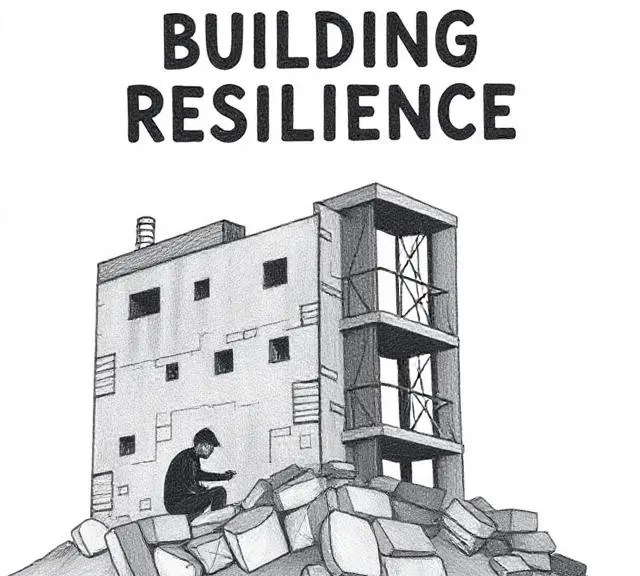

Building Resilience

Resilience is the vital skill that allows individuals to bounce back from setbacks, adapt to difficult circumstances, and continue moving forward despite life’s inevitable challenges. Building resilience involves cultivating a mindset that views obstacles not as insurmountable barriers but as opportunities for growth and learning. It requires a conscious effort to develop emotional strength, mental flexibility, and a positive outlook that can withstand adversity. By strengthening these qualities, you can navigate life’s ups and downs with greater confidence and stability.

A core element of resilience is maintaining a hopeful attitude, even during tough times. This involves focusing on what you can control, practicing gratitude, and believing in your capacity to overcome difficulties. Supportive relationships are also crucial because they provide encouragement, advice, and emotional comfort when facing hardships. Connecting with trusted friends, family, or mentors creates a safety net that enhances your ability to cope and adapt to change. Recognizing that setbacks are part of the human experience helps foster patience and persistence, essential traits for resilience.

Developing healthy coping strategies is key to building resilience. Techniques such as mindfulness, deep breathing exercises, and regular physical activity help manage stress and keep emotions balanced during challenging times. Embracing change as a natural aspect of life encourages flexibility rather than resistance, enabling you to adjust your mindset and actions as needed. Setting realistic goals and breaking them into smaller, manageable steps can prevent feelings of overwhelm and foster a sense of progress, even amid difficulties. These practices reinforce your capacity to handle adversity with a calm and focused approach.

Furthermore, cultivating a growth mindset—the belief that abilities can be developed through effort—is fundamental for resilience. When setbacks occur, resilient individuals analyze what went wrong, learn from their experiences, and make necessary adjustments. This adaptive approach transforms failures into valuable lessons that strengthen confidence and problem-solving skills. Taking care of your physical health through proper nutrition, adequate sleep, and regular exercise also supports mental resilience by maintaining energy levels and emotional stability. Overall, resilience is an ongoing process that can be strengthened over time through intentional effort and mindset shifts, empowering you to thrive amid life’s uncertainties and turn challenges into opportunities for personal growth.

Emotional Intelligence

Emotional intelligence is a vital skill that influences how we navigate our internal world and interact with others. It involves the ability to recognize, understand, and manage our own emotions while also being attuned to the emotions of those around us. Developing emotional intelligence can lead to healthier relationships, better decision-making, and increased resilience in the face of life’s challenges. In essence, it is about cultivating self-awareness and empathy, which are essential components for personal growth and social harmony. By enhancing our emotional intelligence, we can foster a more balanced and compassionate approach to both ourselves and others, creating stronger connections and a more fulfilling life.

Recognizing emotions is the first step in building emotional intelligence. This requires paying close attention to our feelings and body signals, such as noticing when we feel anxious, angry, or happy. Becoming aware of these emotions allows us to identify their triggers and understand their impact on our thoughts and behaviors. For example, recognizing that stress at work makes us irritable can help us pause and choose a more constructive response instead of reacting impulsively. Understanding emotions involves delving deeper into their causes and effects, which helps us interpret our feelings accurately and respond appropriately. This awareness creates a foundation for emotional regulation, enabling us to handle difficult situations with more clarity and calmness.

Managing emotions effectively is a key aspect of emotional intelligence that involves regulating our feelings and reactions. This doesn’t mean suppressing emotions but rather responding to them in a healthy and constructive manner. Techniques such as deep breathing, mindfulness, or reframing negative thoughts can help us regain control during intense moments. Managing emotions also extends to understanding others’ feelings, which fosters empathy and improves communication. When we can see situations from another person’s perspective, we create space for compassion and stronger connections. Developing these skills takes practice, but they ultimately empower us to navigate social interactions with greater sensitivity, patience, and understanding.

Emotional intelligence is a lifelong journey that enhances both personal and professional relationships. It helps us build trust, resolve conflicts peacefully, and respond to challenges with resilience. By continuously working on recognizing, understanding, and managing our emotions, we become more adaptable and emotionally resilient. This growth not only benefits our mental health but also enriches our interactions, making us more empathetic and effective communicators. Cultivating emotional intelligence is a powerful way to foster a more compassionate and balanced life, enabling us to face the complexities of human emotions with confidence and grace. Ultimately, mastering this skill leads to a richer, more harmonious existence where our emotions serve as tools for growth rather than obstacles.

Mindfulness and Meditation

In a world filled with constant distractions and relentless demands, cultivating mindfulness and meditation has become an essential practice for nurturing mental clarity and emotional resilience. These techniques help individuals develop a deeper awareness of their thoughts, feelings, and bodily sensations, fostering a sense of presence that can significantly improve overall well-being. By practicing mindfulness and meditation regularly, people can better manage stress, reduce anxiety, and enhance their ability to respond thoughtfully to life’s challenges.

Mindfulness involves paying deliberate attention to the present moment without judgment. It encourages individuals to observe their thoughts, emotions, and physical sensations with openness and curiosity. This heightened awareness allows people to recognize patterns of negative thinking or emotional reactivity before they escalate, creating an opportunity to respond more calmly and consciously. Meditation, on the other hand, often serves as a structured way to cultivate mindfulness. Techniques such as focused breathing, body scans, or guided imagery help anchor attention and cultivate a state of calmness and clarity. Regular practice can strengthen neural pathways associated with attention and emotional regulation, leading to a more balanced mental state.

One of the simplest mindfulness techniques is mindful breathing. Sitting quietly and focusing on the sensation of each breath—feeling the air enter and leave the body—can ground you in the present moment. When the mind wanders, gently redirect your attention back to your breath without judgment. Body scan meditation involves systematically paying attention to different parts of the body, noticing tension or sensations, and allowing relaxation to unfold naturally. Guided meditations, often available through apps or recordings, lead individuals through visualizations or breathing exercises designed to promote relaxation and mental clarity. Incorporating these practices into daily routines—such as during mornings, breaks, or before sleep—can cultivate a sense of stability amid life’s chaos.

Beyond reducing stress and anxiety, mindfulness and meditation enhance emotional regulation by increasing awareness of emotional triggers and responses. This awareness provides a buffer, allowing individuals to pause and choose how to react rather than being driven by impulsive feelings. Over time, these practices foster a compassionate attitude toward oneself and others, promoting patience, empathy, and resilience. They also support mental clarity, improve focus, and boost overall mood, making everyday challenges more manageable.

The beauty of mindfulness and meditation lies in their accessibility; no special equipment or extensive time commitments are necessary. Even a few minutes each day can yield noticeable benefits, making these practices practical for anyone seeking greater balance and inner peace. As with any skill, consistency is key—regular practice deepens awareness and enhances the ability to stay present and centered. Ultimately, cultivating mindfulness and meditation empowers individuals to navigate life with greater ease, emotional stability, and a profound sense of connection to the here and now.

Effective Stress Management Strategies

In today’s fast-paced world, stress has become an almost inevitable part of life. From demanding careers and personal responsibilities to unforeseen crises, stress can accumulate quickly, leading to burnout, anxiety, and even physical health issues. However, understanding how to effectively manage stress is essential for maintaining mental clarity, emotional stability, and overall well-being. By adopting proven techniques and strategies, you can transform stress from an overwhelming foe into a manageable challenge, empowering yourself to lead a balanced and fulfilled life.

Before diving into management techniques, it’s important to recognize what stress entails. Stress is a natural response to perceived threats or demands—your body’s way of preparing to face a challenge. While short-term stress can be motivating, chronic stress can have detrimental effects, including fatigue, irritability, difficulty concentrating, weakened immune system, and increased risk of heart disease. Recognizing these signs early allows you to implement strategies before stress takes a toll on your health.

Practicing mindfulness and meditation can be powerful tools in calming the mind. Paying deliberate attention to the present moment without judgment helps reduce anxiety and promotes relaxation. Even just five minutes a day of deep breathing exercises, guided imagery, or body scans can make a noticeable difference in your mood and mental clarity. Physical activity is another highly effective stress reducer. Exercise releases endorphins—your body’s natural mood lifters—and helps clear your mind. Whether it’s a brisk walk, yoga, dancing, or strength training, incorporating movement into your daily routine can significantly decrease anxiety and improve sleep quality, creating a positive cycle of physical and mental health.

Effective time management and prioritization are crucial in alleviating feelings of being overwhelmed. Setting realistic goals, breaking tasks into smaller, manageable steps, and focusing on the most important responsibilities help foster a sense of control and reduce stress. Using planners, to-do lists, or digital apps can keep you organized and focused. Additionally, adopting healthy lifestyle choices—such as nourishing your body with balanced meals, ensuring you get enough sleep, and maintaining social connections—further supports your resilience. Connecting with friends, family, or support groups provides emotional support and helps combat feelings of isolation, which can intensify stress.

Relaxation techniques like progressive muscle relaxation, aromatherapy, or listening to calming music can physically ease tension and promote mental calmness. Engaging in hobbies, reading, or creative pursuits allows you to shift your focus away from stressors and reconnect with what brings you joy. Challenging negative thought patterns through cognitive restructuring helps reduce anxiety. Recognizing distorted beliefs and replacing them with more balanced perspectives can foster a more optimistic outlook and diminish feelings of helplessness.

Preventing burnout and anxiety involves setting boundaries—learning to say no and delegate when necessary—protecting your personal time and avoiding overcommitment. Practicing self-compassion by being kind to yourself, acknowledging your limits, and celebrating small victories reinforces resilience. Scheduling regular breaks during work or stressful activities helps reset your mental state, preventing exhaustion. If stress becomes overwhelming or leads to depression or anxiety, seeking support from a mental health professional can provide tailored strategies and guidance.

Building a resilient mindset involves cultivating emotional agility through mindfulness, maintaining healthy habits, and fostering supportive relationships. Developing these qualities creates a foundation that enables you to face life’s challenges with confidence. Remember, setbacks are part of the journey; the key is responding with patience and persistence. Managing stress isn’t a one-time effort but a continuous process of growth and adaptation. By integrating practical techniques and adopting a proactive approach, you can navigate stress with grace and strength. Empower yourself with these tools, and turn stress management into an opportunity for personal growth, balance, and renewed vitality. After all, mastering stress is not about eliminating every challenge but about equipping yourself to handle them effectively.

How to Deal With Feelings of Intense Hatred

Hatred is one of the most uncomfortable emotions we experience—and one of the most misunderstood. We’re often told it’s “toxic,” “bad,” or something only terrible people feel. But intense hatred doesn’t come out of nowhere. It usually grows in the soil of pain, injustice, betrayal, fear, or prolonged powerlessness.

The problem isn’t that hatred shows up.
The danger is what happens when we don’t know what to do with it.

First: Stop Lying to Yourself About It

Pretending you don’t feel hatred doesn’t make you enlightened—it makes you fractured. Hatred pushed underground doesn’t disappear; it mutates. It leaks out sideways as bitterness, cruelty, self-destruction, or numbness.

A healthier first step is simple and radical:

“I feel hatred right now.”

Naming the feeling gives you leverage over it. Suppressing it gives the feeling control.

Understand What Hatred Is Trying to Protect

Hatred often functions as emotional armor. It shows up when something in you feels:

  • Violated
  • Humiliated
  • Powerless
  • Repeatedly dismissed
  • Deeply wronged with no repair

Ask yourself—not to excuse it, but to understand it:

  • What pain is this hatred guarding?
  • What boundary was crossed?
  • What part of me feels threatened or erased?

Hatred is rarely the root emotion. It’s usually a shield around grief, fear, or rage.

Separate the Feeling From the Behavior

Feeling hatred is not the same as acting on it.

You are responsible for what you do, not for the fact that your nervous system generated an emotion. The moment you confuse the two, shame takes over—and shame makes emotions more volatile, not less.

You can say:

  • “I feel hatred”
  • without saying
  • “I must hurt someone”
  • or “This defines who I am”

That separation matters.

Discharge It Safely

Intense hatred carries a massive amount of energy. If it stays trapped in your body, it will come out eventually—often in ways you regret.

Healthy outlets include:

  • Writing uncensored (not for posting—just for release)
  • Physical movement: walking hard, lifting, boxing, sprinting
  • Screaming into a pillow or your car
  • Art, music, or voice notes where nothing has to sound “reasonable”

This isn’t about calming down. It’s about letting the pressure out without destroying yourself or someone else.

Be Careful With Rumination

Hatred feeds on repetition. Replaying the same injustices over and over feels productive, but it often keeps the wound open instead of healing it.

If you notice:

  • Mental loops
  • Imagined arguments
  • Rehearsing revenge or “what I should’ve said”

Gently interrupt it. Not by suppressing the thought—but by redirecting your attention to something physical or present. Rumination fuels hatred; grounding weakens it.

Decide What You Actually Want

This is the turning point most people skip.

Ask yourself honestly:

  • Do I want relief?
  • Do I want justice?
  • Do I want control?
  • Do I want acknowledgment?
  • Do I want distance?

Hatred often masks a legitimate unmet need. Once you identify the need, you can pursue it directly—without letting hatred run the show.

When Hatred Becomes a Warning Sign

If hatred:

  • Feels constant or consuming
  • Starts turning inward
  • Pushes you toward violence or self-harm
  • Is tied to paranoia or loss of reality-testing
  • Makes you feel out of control

That’s not a moral failure. That’s a signal to get support—from a therapist, crisis line, trusted person, or mental health professional. Strong emotions don’t mean you’re dangerous; they mean you’re overwhelmed.

The Goal Is Not to Become “Nice”

The goal isn’t forced forgiveness, spiritual bypassing, or pretending everything is fine.

The goal is agency.

To be able to feel intense emotions without being ruled by them.
To respond instead of react.
To let hatred pass through you without setting up a permanent residence.

Hatred is a message. You don’t have to let it become your identity.

And if you’re carrying a lot of it right now—it makes sense. You’re not broken. You’re human.

Let’s Be Clear: Abuse Is Not “Edgy,” It’s Just Abuse

There’s a habit some people try to excuse with jokes, bravado, or false intellectualism—“fucking with people’s heads.” Let’s get this out of the way immediately: manipulating, demeaning, gaslighting, or deliberately confusing someone is never okay. Not as humor. Not as curiosity. Not as “testing boundaries.” And absolutely not when it’s aimed at someone living with a mental health condition.

That kind of behavior isn’t clever or harmless. It’s abusive. Full stop.

Too often, cruelty gets reframed as curiosity, honesty, or even toughness, when in reality it’s just harm wearing a thin disguise. And for people with bipolar disorder, that harm doesn’t land in a vacuum—it stacks on top of an already heavy load.

The Weight People With Bipolar Disorder Already Carry

Living with bipolar disorder means navigating mood shifts, energy changes, and emotional extremes that most people will never fully experience. On top of managing the condition itself—often through therapy, medication, and relentless self-awareness—there’s another battle happening in the background: stigma.

Misunderstanding around bipolar disorder is still widespread. Behaviors are frequently stripped of context and reframed as moral failings or personality flaws. Someone isn’t struggling—they’re “too much.” They aren’t overwhelmed—they’re “dramatic.” They aren’t experiencing symptoms—they’re “unstable,” “unreliable,” or “difficult.”

This mislabeling is not just inaccurate; it’s damaging. When people confuse medical symptoms with character defects, they give themselves permission to judge, dismiss, or mistreat.

Where the Mistreatment Comes From

The cruelty people with bipolar disorder face doesn’t usually come from one single source. It’s a mix of systemic ignorance and individual behavior, reinforced by social blind spots that let harm slide unchecked.

Stigma and misunderstanding play a massive role. Many people simply don’t understand what bipolar disorder is—or what it isn’t. Pop-culture caricatures and half-truths replace real education, and suddenly complex human beings get flattened into stereotypes. When knowledge is missing, assumptions rush in to fill the gap.

Fear and discomfort are another driver. Mental health challenges make some people uneasy, especially when they don’t know how to respond or support someone appropriately. Instead of asking questions or listening, they withdraw—or worse, they lash out. Discomfort turns into distance, and distance turns into dehumanization.

Then there’s a lack of empathy, plain and simple. Emotional intelligence isn’t universal. Some people struggle—or refuse—to imagine experiences outside their own. When empathy is missing, compassion doesn’t even get a seat at the table. Other people’s pain becomes inconvenient, annoying, or invisible.

And finally, there’s a harder truth we can’t ignore: some people are abusive by nature. They seek control, leverage, or entertainment through manipulation. They may intentionally target individuals they perceive as vulnerable, knowing those boundaries are easier to push and less likely to be defended. Mental health stigma doesn’t create these people—but it gives them cover.

Why None of This Is Excusable

Mental illness does not make someone a fair target. Vulnerability is not consent. Struggling does not mean deserving harm.

Abuse doesn’t become acceptable because it’s subtle. It doesn’t become justified because it’s framed as honesty or curiosity. And it certainly doesn’t become harmless because the person on the receiving end is already dealing with a mental health condition.

If anything, the presence of that condition should demand more care, not less.

Doing Better Is Not Complicated—Just Intentional

You don’t need a psychology degree to treat people decently. You need a willingness to listen, to pause before judging, and to resist the urge to center your own discomfort over someone else’s reality.

Call out cruelty when you see it. Learn instead of assuming. Ask instead of diagnosing. And if you catch yourself rationalizing harmful behavior—your own or someone else’s—that’s the moment to stop and reassess.

Because the bare minimum is not manipulating people for sport.

The bare minimum is humanity.

Trauma: What It Is, What It Isn’t, and Why It Lingers

Trauma is one of those words we hear often but rarely pause to truly understand. It’s used to describe everything from life-altering events to everyday stress, and somewhere along the way, its meaning can get blurred. But trauma isn’t about being “dramatic,” weak, or unable to cope. It’s about how the human nervous system responds when something overwhelms its ability to feel safe.

At its core, trauma is not the event itself. It’s the impact the event has on the mind and body.

Trauma Is a Survival Response

When something frightening, painful, or deeply destabilizing happens, the body shifts into survival mode. Fight. Flight. Freeze. Fawn. These responses are not choices—they are automatic biological reactions designed to keep us alive.

The problem is that sometimes the danger passes, but the body doesn’t get the message.

This is why trauma can linger long after an experience ends. A sound, a smell, a tone of voice, or a seemingly harmless situation can trigger the same physiological response as the original event. The body reacts as if the threat is happening now, even when the rational mind knows it isn’t.

Trauma lives in the nervous system, not just in memory.

Big T Trauma and Little t Trauma

People often think trauma has to involve extreme events—war, assault, natural disasters. These experiences, sometimes called “Big T” trauma, absolutely count. But trauma can also come from experiences that are quieter, chronic, or invisible.

Emotional neglect, growing up with unpredictable caregivers, bullying, medical procedures, repeated invalidation, or living in constant stress can all be traumatic. Especially when these experiences happen during childhood, when the brain and nervous system are still developing.

Two people can experience the same event and be affected very differently. That doesn’t mean one person is stronger than the other—it means their histories, support systems, and internal resources are different.

What Trauma Can Look Like

Trauma doesn’t always show up as flashbacks or panic attacks. Sometimes it looks like:

Chronic anxiety or emotional numbness Difficulty trusting others Overreacting to small conflicts People-pleasing or fear of abandonment Trouble resting or feeling “safe” even in calm moments A harsh inner critic Feeling disconnected from your body or emotions

Many people don’t realize they’re carrying trauma because it has become their “normal.” When something has always been there, it can be hard to recognize it as something that can change.

Healing Is Not About “Getting Over It”

One of the most harmful myths about trauma is that healing means forgetting, minimizing, or moving on as quickly as possible. In reality, healing is about integration—helping the nervous system learn that the danger has passed and that safety is possible again.

This doesn’t happen through logic alone. You can understand your trauma perfectly and still feel its effects. Healing often involves the body as much as the mind: learning to notice sensations, regulate emotions, and gently build a sense of safety over time.

It’s slow work. Nonlinear work. And deeply human work.

Trauma Is Not a Life Sentence

Perhaps the most important thing to know about trauma is this: it is not who you are.

Trauma shapes behaviors, beliefs, and coping mechanisms—but those patterns formed for a reason. They were adaptive once. They helped you survive. Healing doesn’t mean judging those responses; it means thanking them and learning new ones that better serve your present life.

With support, patience, and compassion—whether through therapy, community, creative expression, or self-reflection—the nervous system can change. The brain is remarkably plastic. Safety can be relearned.

A More Compassionate Way Forward

Understanding trauma invites us to be gentler with ourselves and others. It shifts the question from “What’s wrong with you?” to “What happened to you?” And often, that shift changes everything.

Trauma is not a personal failure. It is a human response to overwhelming circumstances. And healing, while challenging, is possible—one regulated breath, one safe connection, one moment at a time.

More Than Just Feeling Sad

Depression is often misunderstood as simple sadness, a temporary emotional dip that can be fixed with rest or positive thinking. In reality, it is far more complex. Depression is a mental health condition that affects how a person thinks, feels, and experiences the world. It can drain motivation, dull joy, and make even the smallest tasks feel overwhelming. For many people, it is not something that passes quickly, but something they carry quietly for long periods of time.

Living with depression can feel isolating. Someone may appear fine on the outside—showing up to work, smiling in conversations, meeting responsibilities—while internally feeling empty, exhausted, or disconnected. This disconnect between appearance and reality often makes depression harder to recognize, both for others and for the person experiencing it. Because it doesn’t always look dramatic or obvious, it is easy for the pain to be minimized or ignored.

Depression does not have a single cause. It can stem from a combination of biological factors, life experiences, trauma, stress, loss, or long-term pressure. Sometimes it appears without any clear trigger at all. This can be confusing and frustrating, especially in a world that expects people to justify their pain. But depression does not need a reason to be real. Having a good life on paper does not protect someone from struggling mentally.

One of the greatest challenges surrounding depression is stigma. Many people are taught to hide their pain, to be strong, or to handle things on their own. As a result, those who are struggling may feel ashamed or weak for not being able to “push through.” This silence can deepen the illness, making people feel alone even when they are surrounded by others. What often helps most is not advice or solutions, but being heard and understood without judgment.

Support plays a crucial role in healing. Talking to someone who listens with empathy can ease the emotional weight depression brings. Professional help, such as therapy or medical care, can also be life-changing, offering tools and guidance that many people cannot find on their own. Healing is not instant, and it is rarely linear. There may be setbacks along the way, but progress is still possible.

Depression can make it hard to believe that things will ever improve, but many people do find relief with time, support, and care. Open conversations about mental health help remind those who are struggling that they are not broken and that they are not alone. Depression is real, it is serious, and it deserves compassion. Seeking help is not a failure—it is an act of courage, and it can be the first step toward hope.