
Category: Kele
-
Inside the Mind: Mental Health Disorders
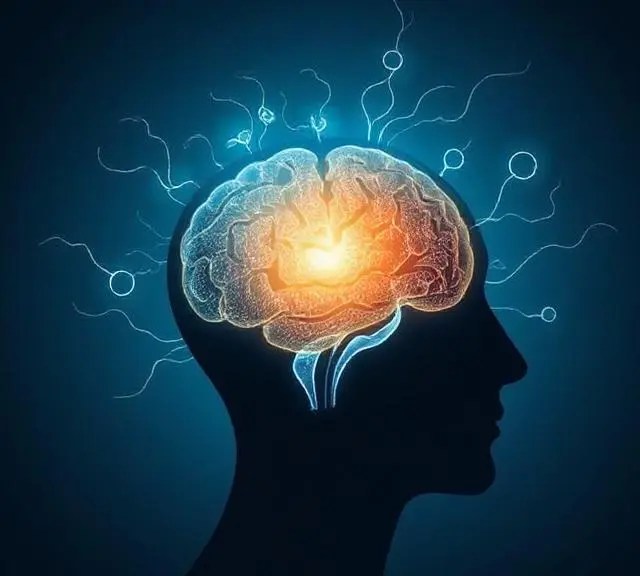
Mental health disorders are intricate conditions that influence how individuals think, feel, and behave, often impacting their daily functioning and relationships. Each disorder presents unique symptoms and challenges, requiring tailored approaches for treatment and support. Among the most recognized are schizophrenia, obsessive-compulsive disorder (OCD), attention-deficit/hyperactivity disorder (ADHD), and personality disorders. Gaining insights into these conditions…
-
Stigma and Mental Health Awareness
Mental health stigma remains one of the most significant obstacles preventing individuals from seeking help and receiving the support they need. Despite increased awareness and numerous campaigns, misconceptions and negative stereotypes about mental health conditions still persist across many cultures and communities. These misconceptions often lead to feelings of shame, embarrassment, and isolation for those…
-
The Invisible Impact of Mental Abuse

Mental abuse rarely announces itself in obvious ways, and many people live inside it long before they realize what they’re experiencing has a name. It doesn’t leave bruises or visible marks, and it often unfolds quietly through words, tone, silence, and subtle manipulation until you begin questioning your own reality. Because there is no physical…
-
Building Resilience
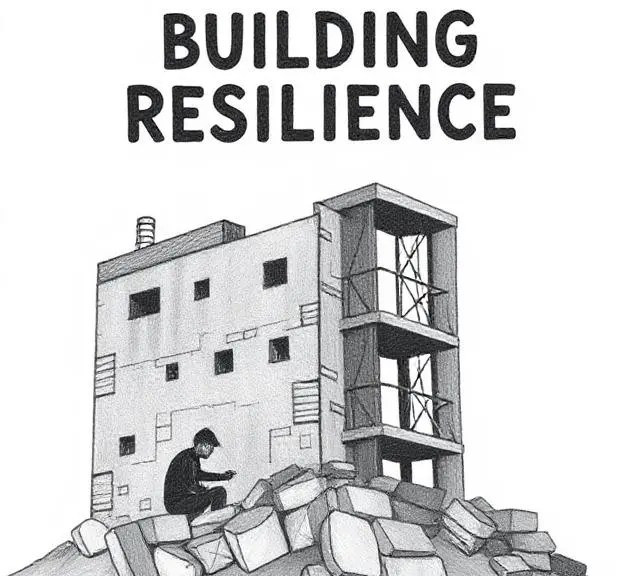
Resilience is the vital skill that allows individuals to bounce back from setbacks, adapt to difficult circumstances, and continue moving forward despite life’s inevitable challenges. Building resilience involves cultivating a mindset that views obstacles not as insurmountable barriers but as opportunities for growth and learning. It requires a conscious effort to develop emotional strength, mental…
-
Emotional Intelligence
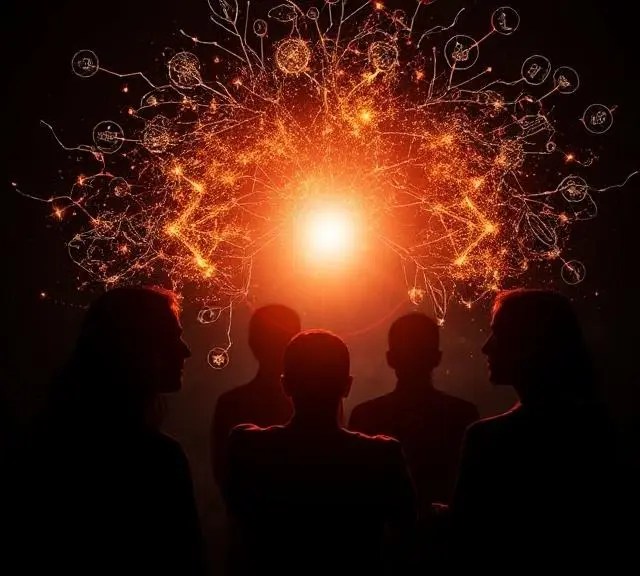
Emotional intelligence is a vital skill that influences how we navigate our internal world and interact with others. It involves the ability to recognize, understand, and manage our own emotions while also being attuned to the emotions of those around us. Developing emotional intelligence can lead to healthier relationships, better decision-making, and increased resilience in…
-
Mindfulness and Meditation
In a world filled with constant distractions and relentless demands, cultivating mindfulness and meditation has become an essential practice for nurturing mental clarity and emotional resilience. These techniques help individuals develop a deeper awareness of their thoughts, feelings, and bodily sensations, fostering a sense of presence that can significantly improve overall well-being. By practicing mindfulness…
-
Effective Stress Management Strategies
In today’s fast-paced world, stress has become an almost inevitable part of life. From demanding careers and personal responsibilities to unforeseen crises, stress can accumulate quickly, leading to burnout, anxiety, and even physical health issues. However, understanding how to effectively manage stress is essential for maintaining mental clarity, emotional stability, and overall well-being. By adopting…
-
How to Deal With Feelings of Intense Hatred
Hatred is one of the most uncomfortable emotions we experience—and one of the most misunderstood. We’re often told it’s “toxic,” “bad,” or something only terrible people feel. But intense hatred doesn’t come out of nowhere. It usually grows in the soil of pain, injustice, betrayal, fear, or prolonged powerlessness. The problem isn’t that hatred shows…
-
Let’s Be Clear: Abuse Is Not “Edgy,” It’s Just Abuse
There’s a habit some people try to excuse with jokes, bravado, or false intellectualism—“fucking with people’s heads.” Let’s get this out of the way immediately: manipulating, demeaning, gaslighting, or deliberately confusing someone is never okay. Not as humor. Not as curiosity. Not as “testing boundaries.” And absolutely not when it’s aimed at someone living with…
-
Trauma: What It Is, What It Isn’t, and Why It Lingers

Trauma is one of those words we hear often but rarely pause to truly understand. It’s used to describe everything from life-altering events to everyday stress, and somewhere along the way, its meaning can get blurred. But trauma isn’t about being “dramatic,” weak, or unable to cope. It’s about how the human nervous system responds…
 HOMEPAGE