
Tag: depression
-
When the Mind Is on Trial: Mental Illness and Criminal Responsibility
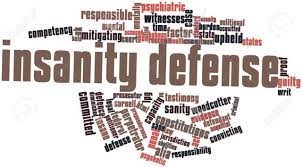
Mental illness complicates how society understands criminal responsibility because the law is built on the idea that people choose their actions freely and understand the consequences of those actions. When someone experiences severe psychiatric symptoms like delusions, hallucinations, or extreme mood instability, their perception of reality and ability to make rational decisions can be deeply…
-
Your Rights in Mental Health Treatment: What the Law Protects

When people seek mental health treatment, they don’t lose their rights at the clinic door. The law recognizes that individuals receiving care remain whole people with dignity, autonomy, and legal protections, even during vulnerable moments. In the United States, mental health law works alongside healthcare regulations to safeguard informed consent, meaning patients generally have the…
-
What Is Mental Health Law? An Overview of Key Principles and Purposes
Mental health law is the body of legal rules, policies, and judicial decisions that govern how society responds to mental illness in clinical, institutional, and community settings. It sits at the intersection of healthcare, civil rights, and public safety, shaping how individuals access treatment and how their rights are protected. At its core, mental health…
-
Depression and Mood Disorders: Causes, Symptoms, and Treatments

Depression and mood disorders are complex mental health conditions that affect millions of people worldwide, impacting their thoughts, emotions, and daily functioning. While they share some common features, each disorder has unique characteristics that require tailored approaches to treatment. Recognizing the causes and symptoms of these conditions is crucial for seeking help and improving quality…
-
Understanding and Managing Anxiety Disorders

Anxiety is a normal human response to stress or danger, helping us stay alert and prepared to face challenges. However, when feelings of worry, fear, or unease become persistent, intense, or interfere with daily life, they may indicate an anxiety disorder—a mental health condition that requires attention. Recognizing the different types of anxiety disorders can…
-
Stigma and Mental Health Awareness
Mental health stigma remains one of the most significant obstacles preventing individuals from seeking help and receiving the support they need. Despite increased awareness and numerous campaigns, misconceptions and negative stereotypes about mental health conditions still persist across many cultures and communities. These misconceptions often lead to feelings of shame, embarrassment, and isolation for those…
-
Protecting Legal Rights and Autonomy in Mental Health Care
One of the most misunderstood aspects of mental health care is the balance between support and autonomy. Too often, individuals living with mental illness are treated as if their rights are conditional—granted only when they are deemed “well enough” to deserve them. In reality, legal rights and personal autonomy are not privileges. They are fundamental…
-
Let’s Be Clear: Abuse Is Not “Edgy,” It’s Just Abuse
There’s a habit some people try to excuse with jokes, bravado, or false intellectualism—“fucking with people’s heads.” Let’s get this out of the way immediately: manipulating, demeaning, gaslighting, or deliberately confusing someone is never okay. Not as humor. Not as curiosity. Not as “testing boundaries.” And absolutely not when it’s aimed at someone living with…
-
More Than Just Feeling Sad
Depression is often misunderstood as simple sadness, a temporary emotional dip that can be fixed with rest or positive thinking. In reality, it is far more complex. Depression is a mental health condition that affects how a person thinks, feels, and experiences the world. It can drain motivation, dull joy, and make even the smallest…
-
The Importance of Mental Health
Mental health is just as important as physical health, yet it is often overlooked or misunderstood. It influences how we think, feel, and act, shaping the way we handle stress, relate to others, and make everyday decisions. When mental health is neglected, even simple tasks can feel overwhelming, while prioritizing it allows people to live…
 The Agency