
Tag: mental-health
-
Inside the Mind: Mental Health Disorders
Mental health disorders are intricate conditions that influence how individuals think, feel, and behave, often impacting their daily functioning and relationships. Each disorder presents unique symptoms and challenges, requiring tailored approaches for treatment and support. Among the most recognized are schizophrenia, obsessive-compulsive disorder (OCD), attention-deficit/hyperactivity disorder (ADHD), and personality disorders. Gaining insights into these conditions…
-
Stigma and Mental Health Awareness
Mental health stigma remains one of the most significant obstacles preventing individuals from seeking help and receiving the support they need. Despite increased awareness and numerous campaigns, misconceptions and negative stereotypes about mental health conditions still persist across many cultures and communities. These misconceptions often lead to feelings of shame, embarrassment, and isolation for those…
-
The Invisible Impact of Mental Abuse

Mental abuse rarely announces itself in obvious ways, and many people live inside it long before they realize what they’re experiencing has a name. It doesn’t leave bruises or visible marks, and it often unfolds quietly through words, tone, silence, and subtle manipulation until you begin questioning your own reality. Because there is no physical…
-
Building Resilience
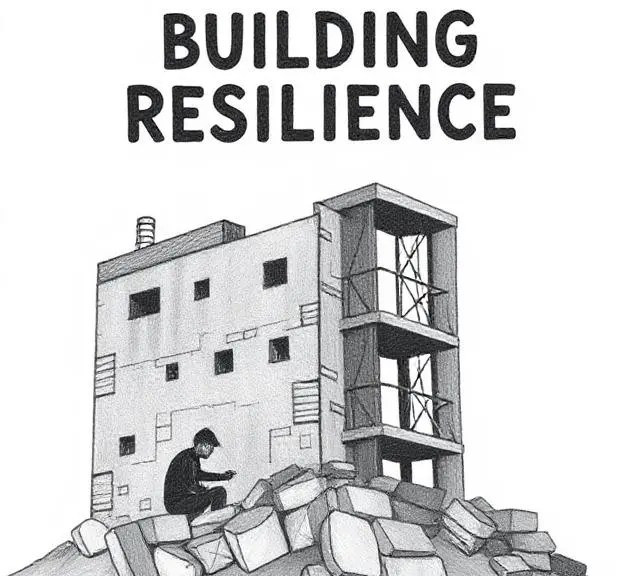
Resilience is the vital skill that allows individuals to bounce back from setbacks, adapt to difficult circumstances, and continue moving forward despite life’s inevitable challenges. Building resilience involves cultivating a mindset that views obstacles not as insurmountable barriers but as opportunities for growth and learning. It requires a conscious effort to develop emotional strength, mental…
-
Emotional Intelligence
Emotional intelligence is a vital skill that influences how we navigate our internal world and interact with others. It involves the ability to recognize, understand, and manage our own emotions while also being attuned to the emotions of those around us. Developing emotional intelligence can lead to healthier relationships, better decision-making, and increased resilience in…
-
Mindfulness and Meditation

In a world filled with constant distractions and relentless demands, cultivating mindfulness and meditation has become an essential practice for nurturing mental clarity and emotional resilience. These techniques help individuals develop a deeper awareness of their thoughts, feelings, and bodily sensations, fostering a sense of presence that can significantly improve overall well-being. By practicing mindfulness…
-
Effective Stress Management Strategies

In today’s fast-paced world, stress has become an almost inevitable part of life. From demanding careers and personal responsibilities to unforeseen crises, stress can accumulate quickly, leading to burnout, anxiety, and even physical health issues. However, understanding how to effectively manage stress is essential for maintaining mental clarity, emotional stability, and overall well-being. By adopting…
-
Evolving Challenges: Legal, Psychological, and Technological

In today’s digital landscape, social media has become both a powerful tool for connection and an epicenter for complex forms of harm that challenge traditional notions of ethical behavior. Social media scams, delusions of reference, and defamation are not isolated issues—they often intertwine, creating a web of psychological and legal challenges that require a nuanced…
-
Criminal Justice Diversion Is Not Leniency — It Is Justice
Jails and prisons have quietly become the largest mental health institutions in the country. This is not an accident. It is the result of decades of policy failure, underfunded care, and a criminal justice system that treats mental illness as a crime rather than a public health issue. Criminal justice diversion exists because incarceration has…
-
Protecting Legal Rights and Autonomy in Mental Health Care
One of the most misunderstood aspects of mental health care is the balance between support and autonomy. Too often, individuals living with mental illness are treated as if their rights are conditional—granted only when they are deemed “well enough” to deserve them. In reality, legal rights and personal autonomy are not privileges. They are fundamental…
 The Agency